
Eat to Beat the Pain: Foods That Help Arthritis
Discover the science-backed foods, meal strategies, and dietary patterns that thousands of Americans are using to manage joint inflammation and live more comfortably. Our editorial team brings you deeply researched, practical guidance — no fluff, no gimmicks.
The information on this site is for educational purposes only and does not constitute medical advice. Always consult a qualified healthcare professional before making health decisions.
Why Diet Matters for Arthritis
Key facts our editorial team gathered from rheumatology research and community feedback across the United States.
Inflammation is Dietary
Research consistently links chronic joint inflammation to specific dietary patterns. Reducing ultra-processed foods and increasing whole foods can meaningfully affect how joints feel day to day.
Omega-3s Lead the Research
Omega-3 fatty acids found in fatty fish and flaxseed are among the most studied compounds for joint comfort. Multiple peer-reviewed studies point to their role in reducing inflammatory markers.
Plant-Rich Diets Show Promise
The Mediterranean and plant-forward eating styles repeatedly appear in arthritis research as beneficial. Colorful vegetables, legumes, and olive oil form the core of these evidence-based approaches.
How Anti-Inflammatory Foods Calm Joint Pain
Joint inflammation is the driving force behind the stiffness, swelling, and aching that arthritis sufferers experience daily. What you eat directly influences your body's inflammatory response — for better or worse. Certain foods contain natural compounds that interfere with pro-inflammatory pathways, offering meaningful relief without negative side effects.
Polyphenols found in berries and dark leafy greens, curcumin in turmeric, and the oleocanthal in extra virgin olive oil all work through similar mechanisms — moderating the signals your immune system sends to inflamed tissue. Our editorial team digs into what the research actually says versus what is marketing noise.
The goal of this platform is not to replace your rheumatologist's advice. Instead, we provide well-sourced, reader-friendly content so you can walk into your next appointment as an informed participant in your own care.
Explore Anti-Inflammatory Foods
Top Foods to Add to Your Arthritis Diet
These are the foods our editors return to again and again — backed by research and embraced by the arthritis community across America.
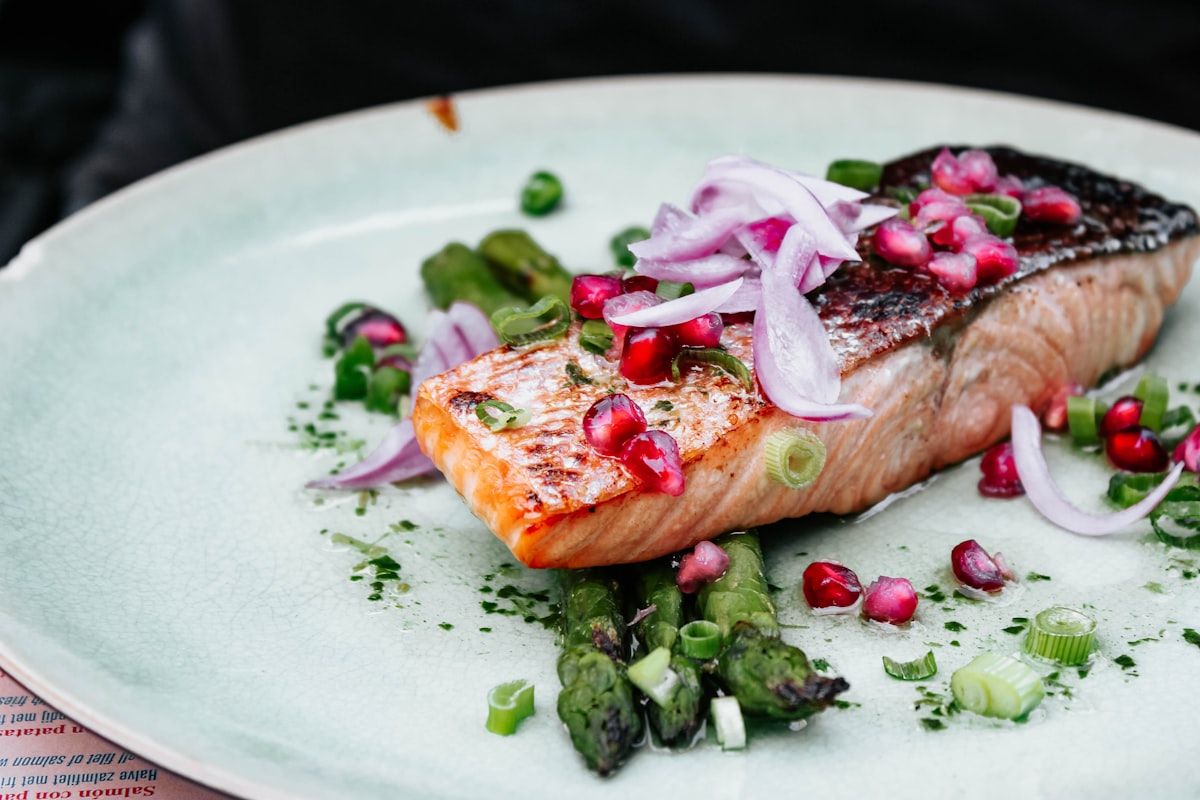
Fatty Fish
Salmon, mackerel, and sardines are rich in EPA and DHA omega-3 fatty acids. These compounds are among the most researched for their ability to reduce inflammatory cytokines that drive joint pain and swelling.
Read More →
Berries
Blueberries, strawberries, and raspberries pack anthocyanins — powerful antioxidants that have been studied for their role in lowering oxidative stress. Oxidative stress is a key contributor to the chronic inflammation seen in both rheumatoid and osteoarthritis.
Read More →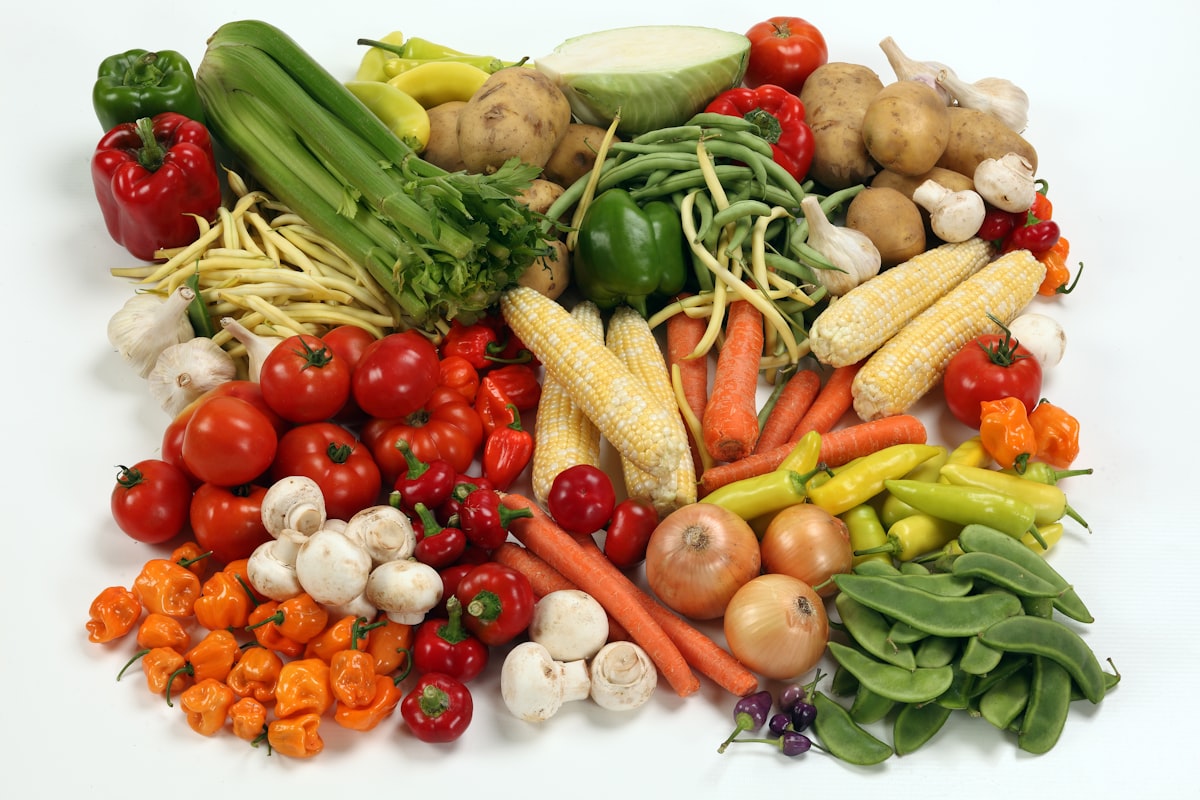
Extra Virgin Olive Oil
Oleocanthal, a natural compound in high-quality olive oil, mimics the action of non-steroidal anti-inflammatory drugs. Drizzling it cold on salads or vegetables is the easiest way to incorporate this well-researched staple into your daily meals.
Read More →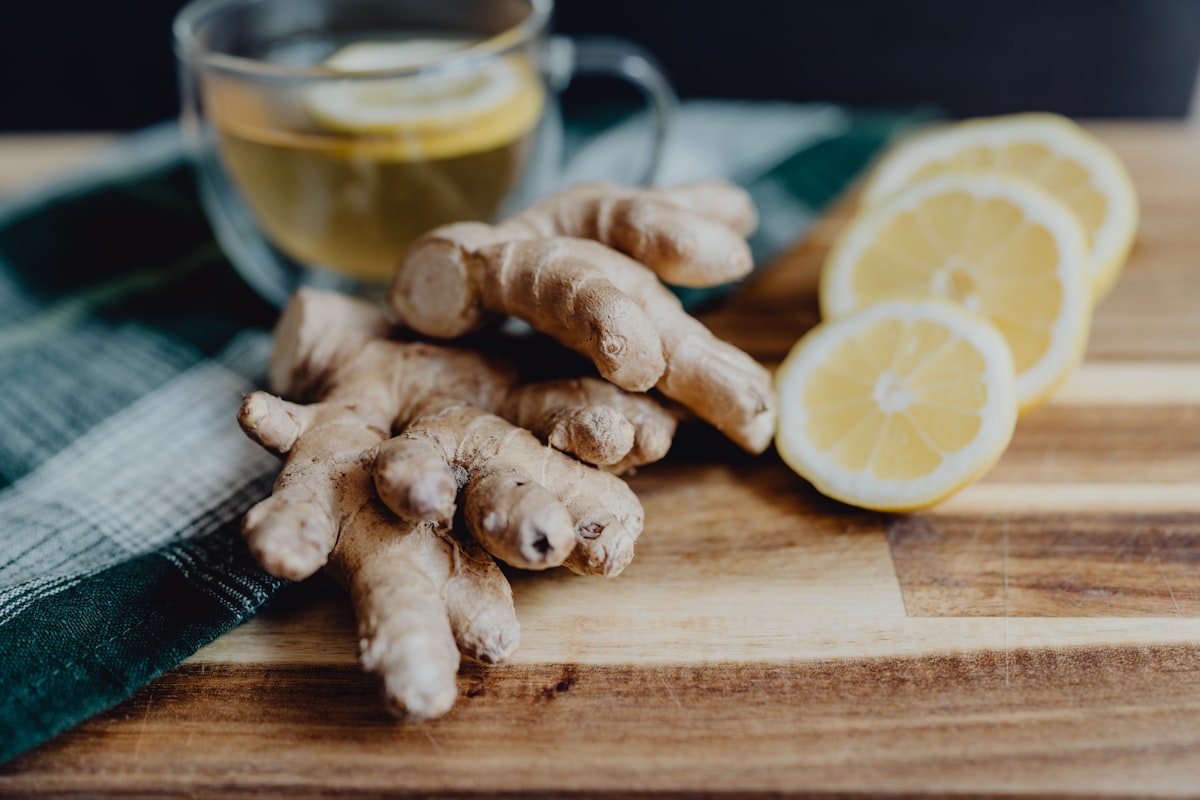
Turmeric & Ginger
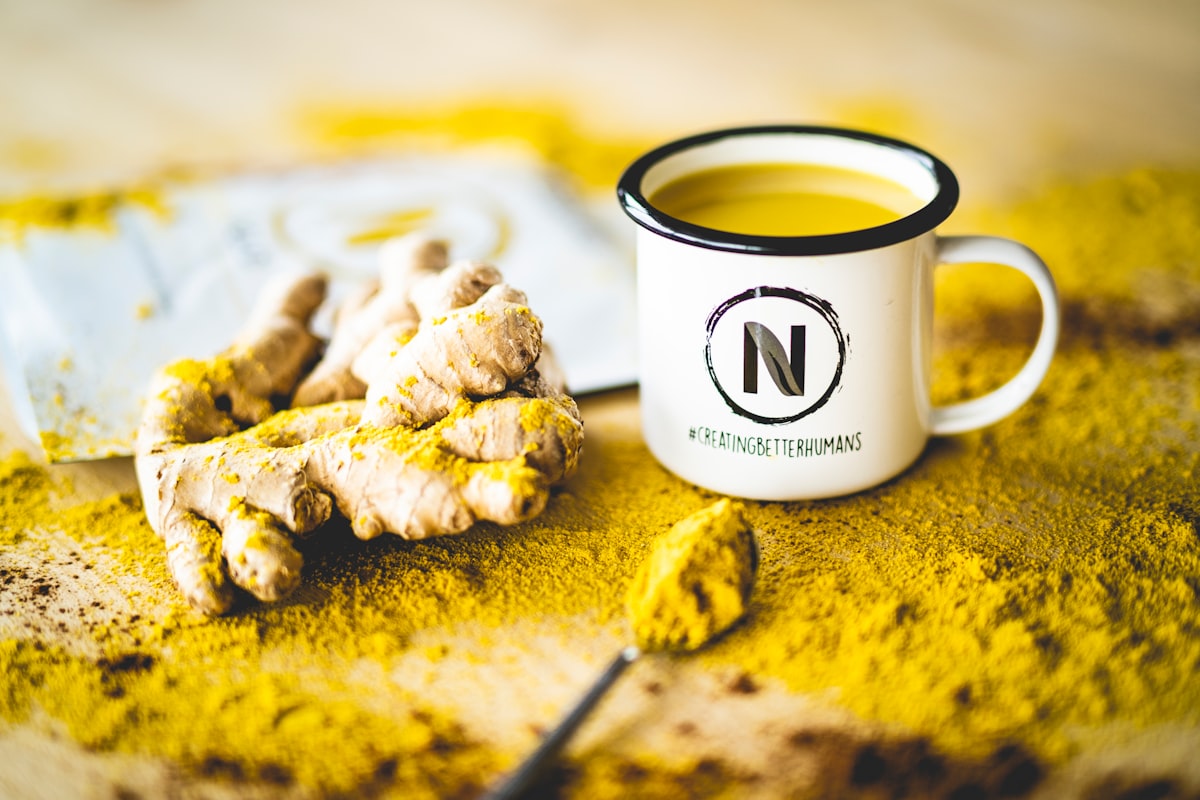
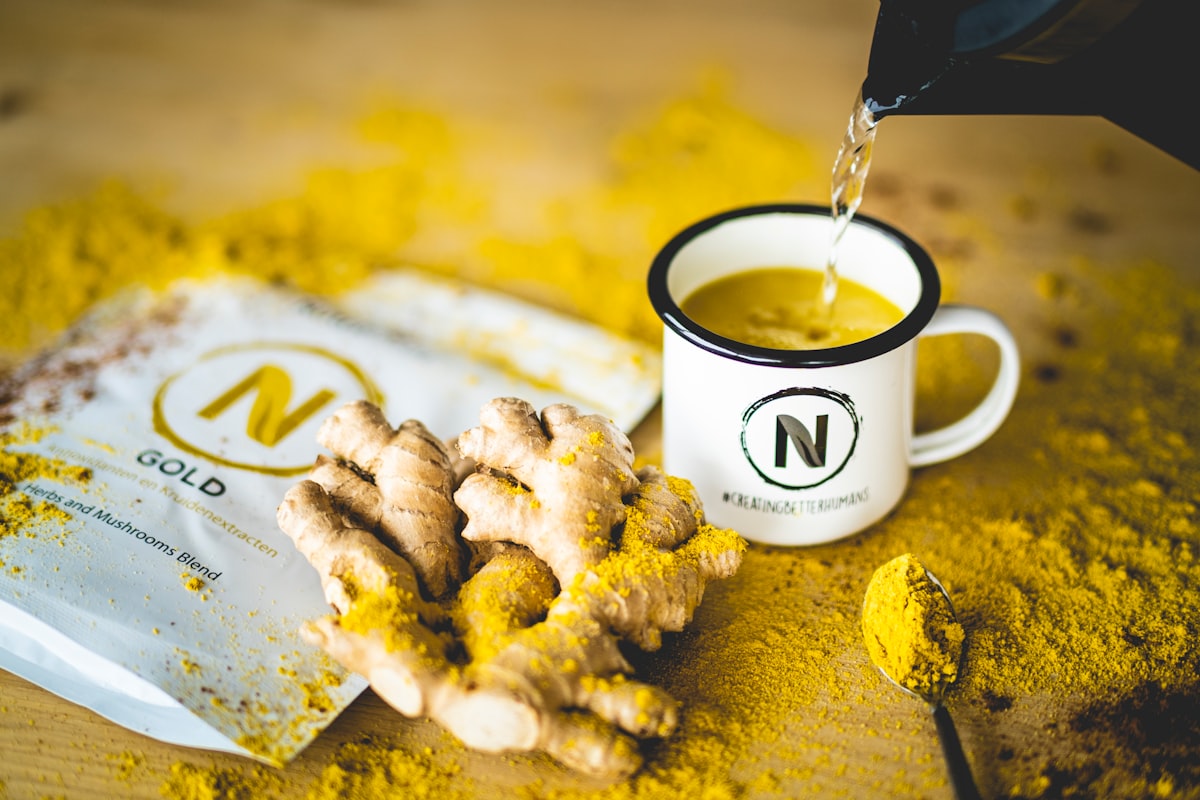
Curcumin in turmeric and gingerols in ginger are two of the most studied natural anti-inflammatories. Used together in teas, soups, or golden milk, they represent a flavorful and culturally rich approach to dietary management of arthritis symptoms.
Read More →
Leafy Green Vegetables
Spinach, kale, and Swiss chard are loaded with vitamins C, K, and E, plus calcium — nutrients essential to joint tissue integrity. Vitamin K in particular is linked to lower levels of inflammatory markers in blood work, making greens a cornerstone of joint-conscious eating.
Read More →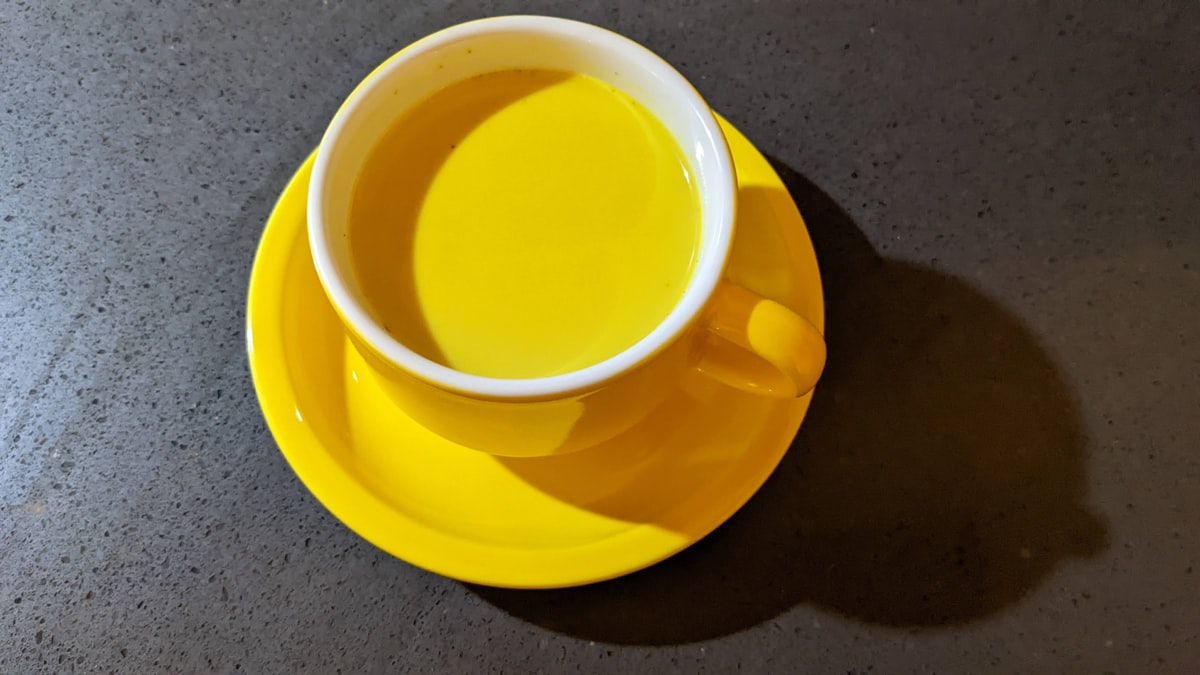
Walnuts & Almonds
Walnuts are uniquely high in ALA, the plant-based omega-3, while almonds provide vitamin E and magnesium — both associated with reduced joint stiffness. A small handful daily makes a convenient snack that genuinely supports your dietary goals without requiring elaborate meal preparation.
Read More →Simple Steps to Build an Arthritis-Friendly Meal Plan
You don't need to overhaul your entire diet overnight. These practical, research-informed steps will help you make meaningful changes one meal at a time.
Identify and Remove the Biggest Triggers
Before adding beneficial foods, look at what you eat most often. Ultra-processed snacks, sugary beverages, refined white flour products, and red meat in excess are consistently linked to higher inflammatory markers. Replacing just one or two of these habits can make a noticeable difference within weeks. Keep a simple food diary for seven days to spot patterns you may not be aware of.
Build Your Plate Around Whole, Colorful Foods
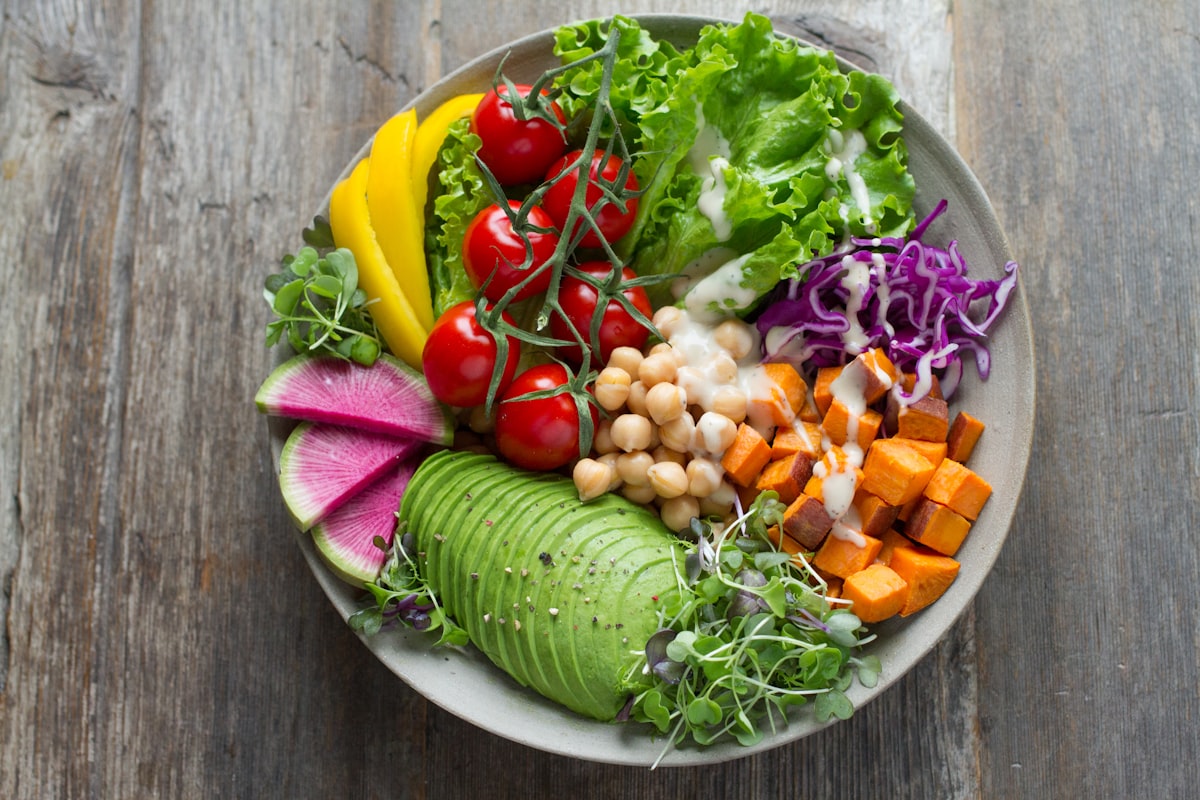
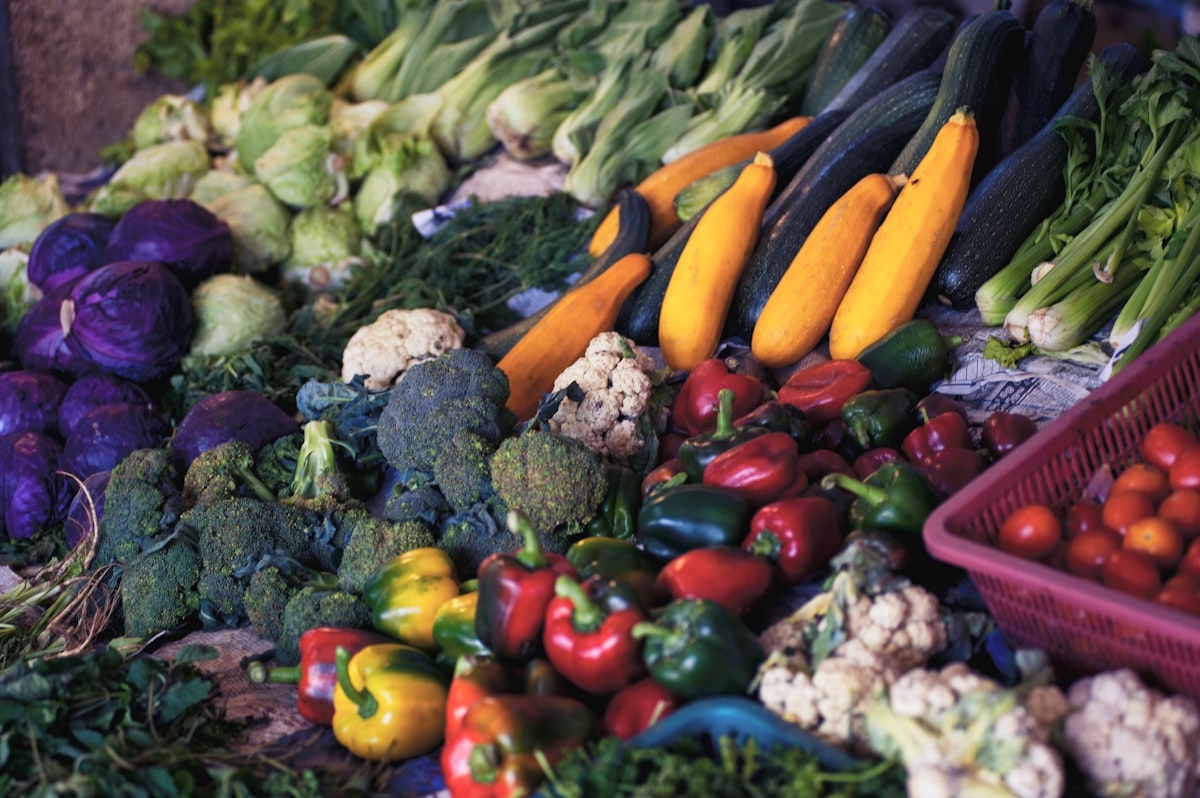
Aim to fill at least half your plate with vegetables and fruit at every meal. Variety is key — different plant pigments represent different antioxidant compounds, each contributing its own anti-inflammatory effect. Think orange sweet potatoes, purple cabbage, dark spinach, and bright bell peppers all in the same week. The Mediterranean pyramid is a useful visual starting point that many arthritis researchers reference directly.
Prioritize Omega-3 Rich Proteins Two to Three Times a Week
Swap out fried or processed meats for fatty fish like salmon, herring, or canned sardines several times per week. If you follow a plant-based diet, flaxseed, chia seeds, hemp seeds, and algae-based DHA supplements serve as effective alternatives. The key is consistency — occasional servings have limited effect, but building it as a genuine habit creates a lasting dietary shift.
Hydrate Consistently and Mind Your Gut Health
Joint cartilage is largely water, and even mild dehydration affects its cushioning properties. Aim for water and herbal teas as primary beverages and limit alcohol, which can amplify inflammation. Additionally, emerging research connects gut microbiome diversity to arthritis severity — fermented foods like kefir, yogurt, kimchi, and sauerkraut are worth incorporating gradually for their probiotic benefits.
Real People Share How Eating Changed Their Pain Levels
Members of the Dietjointcommunity from across the United States shared their personal experiences. These are their words — unedited, unsolicited, and honest.
Margaret O. 4.9/5
Phoenix, Arizona
"I have had rheumatoid arthritis for over a decade and honestly thought diet was just a wellness buzzword. After reading through the articles on this site and switching to more salmon, berries, and olive oil, my morning stiffness went from unbearable to manageable within about six weeks. I still work closely with my rheumatologist, but I feel like I finally have an active role in my own recovery. This resource gave me the language to talk to my doctor more effectively."
David R. 5.0/5
Columbus, Ohio
"My orthopedist recommended I look into dietary approaches alongside my treatment plan, and a colleague pointed me to Dietjointcommunity. The food guides here are thorough but never overwhelming — they explain the actual science, not just lists of superfoods. I cut back on processed snacks and added walnuts and turmeric tea daily. Three months later my inflammation bloodwork showed a real improvement. The editorial team clearly does their homework."
Linda S. 4.8/5
Atlanta, Georgia
"As someone with osteoarthritis in both knees, I was skeptical that food could make any real difference. But after reading the article about leafy greens and vitamin K here, I gave it a real try for two months. My knees still ache, but the constant background pain has definitely quieted down. I also feel more energetic overall. What I appreciate most is that this site is honest — it doesn't promise miracles, just shares what the evidence actually shows."
James T. 4.9/5
Seattle, Washington
"I was diagnosed with psoriatic arthritis two years ago and have been trying to understand how lifestyle factors affect my flares. The content here is genuinely the most balanced I've found online — it cites actual studies without burying readers in jargon. The four-step meal planning guide helped me restructure my weekly grocery shopping completely. My flare frequency has reduced noticeably, and I credit a large part of that to the dietary changes I made after reading articles on this platform."
Common Questions About Food and Arthritis Relief
Clear answers from our editorial team — grounded in research, written in plain English.
Get Weekly Arthritis Diet Insights
Our editorial team sends a short, research-backed digest every week — covering new food studies, meal ideas, and community stories. No spam, no sales pitches.
By subscribing you agree to our Privacy Policy. Unsubscribe at any time.
Ready to Explore an Arthritis-Friendly Way of Eating?
Dive into our full library of food guides, ingredient breakdowns, and meal-planning articles. Every piece of content on Dietjointcommunity is written to be practical, evidence-based, and honest about what diet can — and cannot — do for arthritis.
Frequently Asked Questions
Honest answers to the questions we hear most often about diet and arthritis.