
Eat Your Way to Less Pain: Foods That Fight Arthritis
Millions of Americans living with arthritis are discovering that what they put on their plate can make a real difference in how their joints feel every day. Our editorial team explores the science-backed foods, nutrients, and eating patterns that people across the country are turning to for natural relief.
The information on this site is for educational purposes only and does not constitute medical advice. Always consult a qualified healthcare professional before making health decisions.
How Diet Shapes Arthritis Inflammation
Understanding the relationship between food choices and joint inflammation is at the heart of what our editorial community covers. Here's what the research consistently shows.
Dietary Patterns Matter
Research consistently shows that sustained anti-inflammatory eating patterns — not single foods — produce the most meaningful changes in joint comfort. The Mediterranean-style diet remains one of the most studied approaches for arthritis management.
Inflammation Is Dietary
Chronic low-grade inflammation — the driver of arthritis symptoms — is closely linked to what we eat. Diets high in processed sugar, refined carbohydrates, and trans fats are routinely associated with elevated inflammatory markers in joint tissue.
Plants Lead the Way
Plant-rich diets with colorful vegetables, legumes, whole grains, and fresh herbs supply a broad spectrum of polyphenols and antioxidants. These compounds actively counteract oxidative stress in cartilage and synovial tissue, supporting long-term joint health.
Top Anti-Inflammatory Foods People Swear By
From fatty fish to dark leafy greens, these are the foods our community members and editorial team discuss most — backed by nutritional science and personal experience.

Salmon, Sardines & Mackerel
These cold-water fish are among the richest dietary sources of EPA and DHA — the two omega-3 fatty acids most studied for their ability to reduce the production of inflammatory prostaglandins. Many people with rheumatoid arthritis report noticeable improvements in morning stiffness after adding fish to their weekly meals.
Read More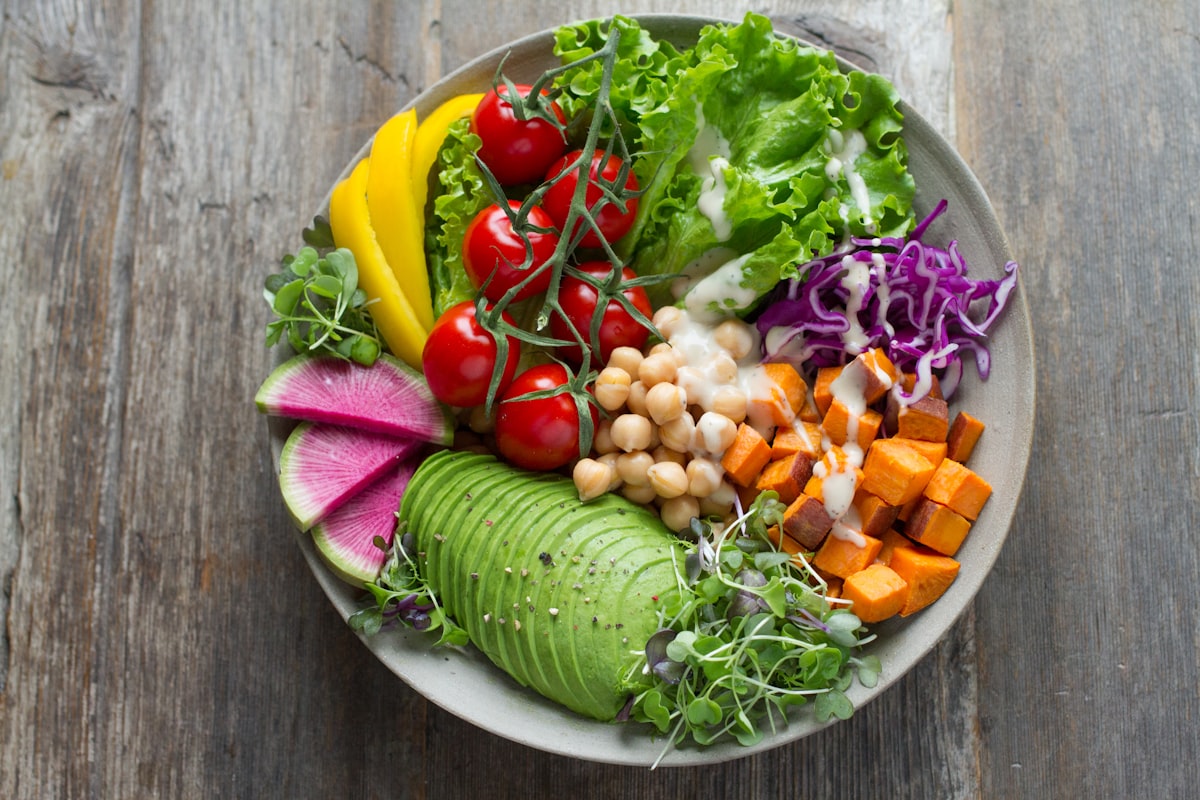
Spinach, Kale & Broccoli
Dark leafy greens deliver a powerful combination of vitamin K, vitamin C, and sulforaphane — a compound found in cruciferous vegetables that has been shown to block enzymes linked to cartilage breakdown. Incorporating these greens daily is one of the most frequently cited dietary changes among our editorial community.
Read More
Blueberries, Cherries & Strawberries
Berries and tart cherries are packed with anthocyanins, a class of antioxidant pigments that combat the oxidative stress driving joint degradation. Tart cherry juice in particular has been featured in multiple nutritional studies looking at gout and osteoarthritis, making it a popular topic on our platform.
Read More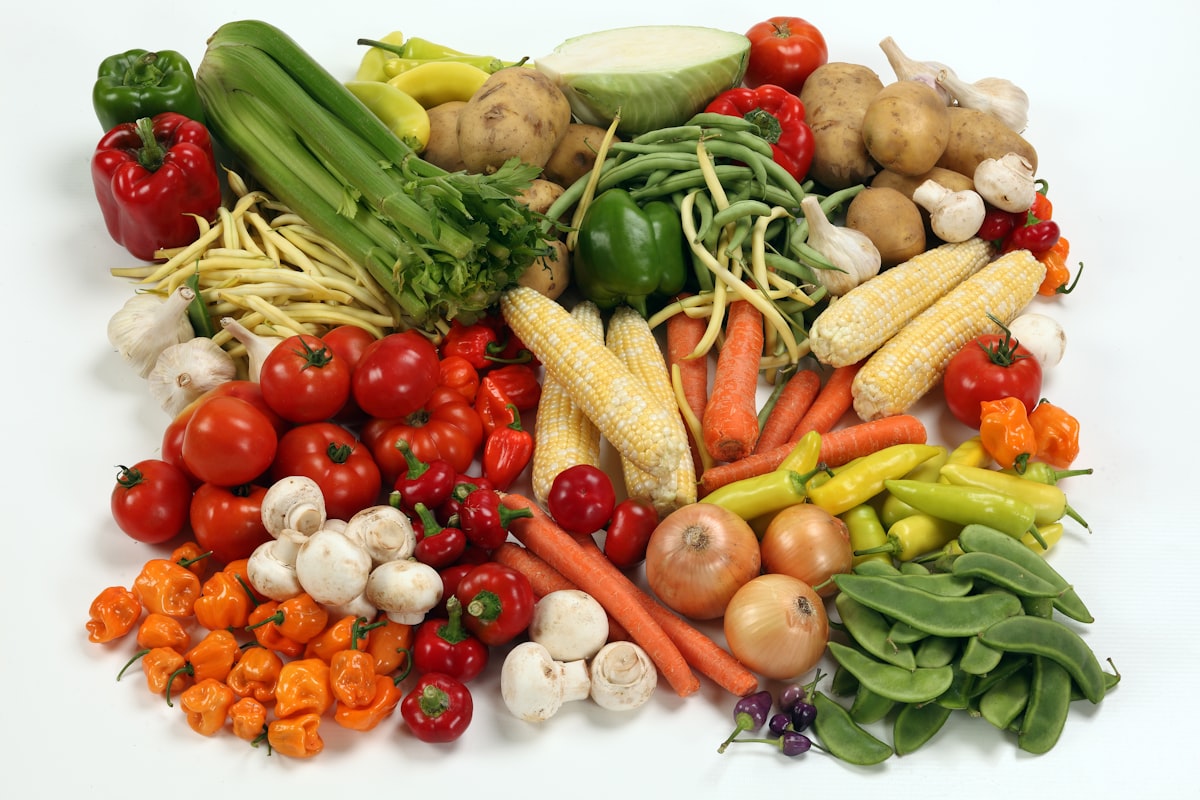
Turmeric & Ginger
Curcumin in turmeric and gingerols in fresh ginger are among the most researched natural anti-inflammatory compounds in nutrition science. When combined — especially with a small amount of black pepper to boost bioavailability — they form a kitchen-based approach to managing joint inflammation that our editorial team covers extensively.
Read More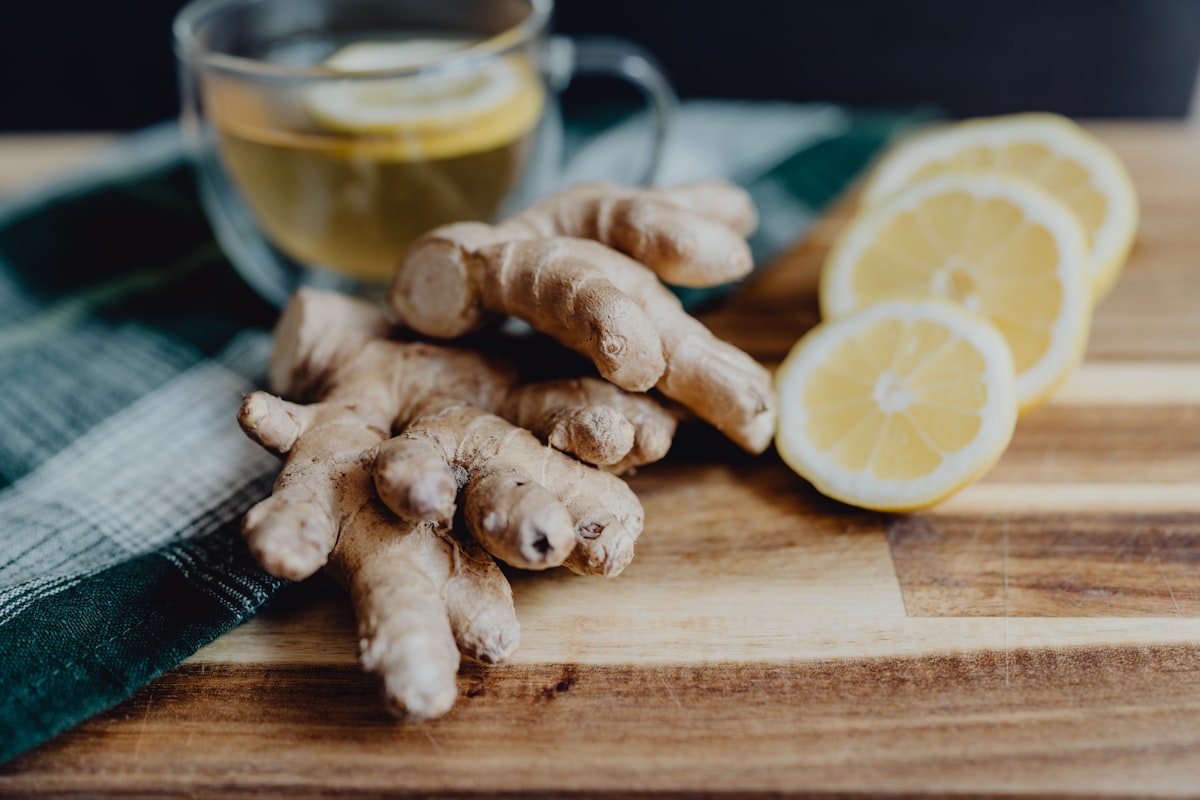
Extra Virgin Olive Oil
A cornerstone of the Mediterranean diet, extra virgin olive oil contains oleocanthal — a polyphenol whose anti-inflammatory mechanism is compared in research to ibuprofen, though the effect is much milder at dietary doses. Using it as a primary cooking fat and salad dressing base is widely discussed in our arthritis-focused content.
Read More
Walnuts, Flaxseeds & Chia
Walnuts are one of the few plant foods that provide meaningful amounts of ALA omega-3s, while flaxseeds and chia seeds offer both ALA and soluble fiber that supports gut health — increasingly linked to systemic inflammation. A small daily handful is a simple, affordable way to enrich an arthritis-conscious eating plan.
Read MoreWhy Omega-3s and Antioxidants Matter for Joint Health
Omega-3 fatty acids work at the cellular level to interrupt the inflammatory cascade. When the body metabolizes EPA and DHA from food, it produces compounds called resolvins and protectins, which actively signal inflammation to wind down. This is why consistent fish consumption — or flaxseed-based plant sources — appears repeatedly in dietary research focused on arthritis.
Antioxidants serve a complementary role: they neutralize free radicals that accumulate in inflamed joint tissue, slowing the oxidative damage to cartilage cells. Vitamins C and E, selenium, and the rich array of polyphenols from colorful produce all contribute to this protective network. Together, omega-3s and antioxidants form what many nutritionists describe as the two-pillar approach to an arthritis-supportive diet.
At Dietjointcommunity, our editorial writers explore how real people in the United States are building meals around these principles — sharing what has worked, what the science supports, and how to make these changes practical and affordable.
About Our Editorial Team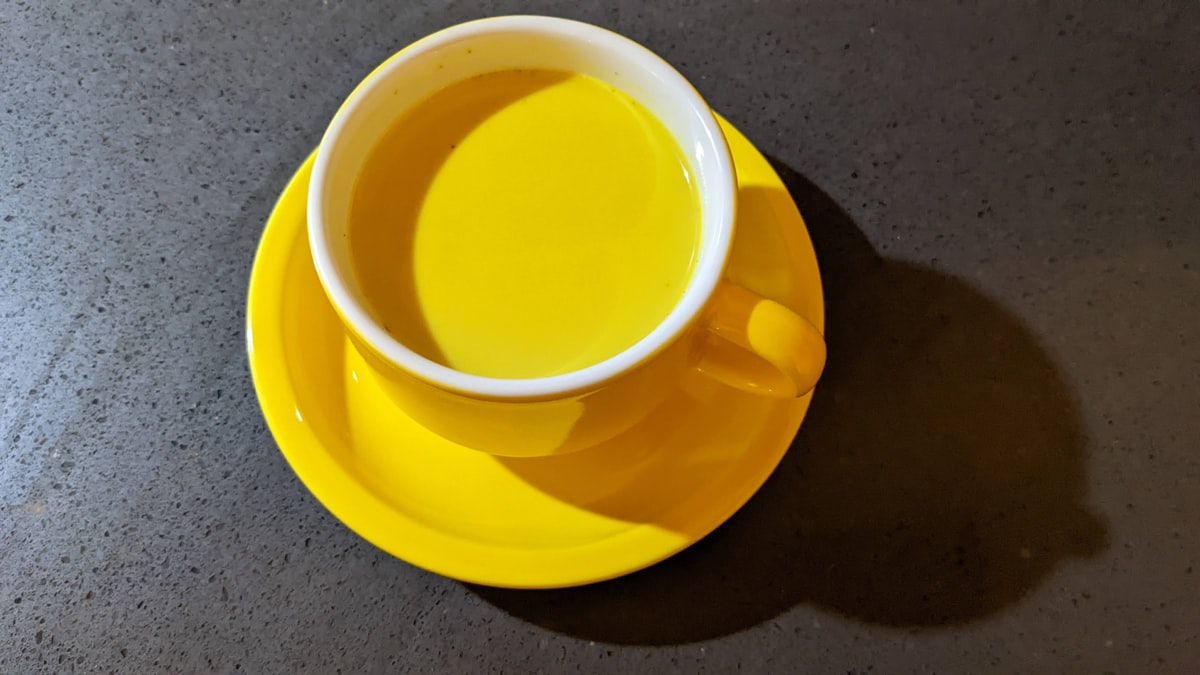
Common Questions About Eating for Arthritis Relief
Our editorial team gathers the most frequently asked questions from our community and addresses them with evidence-informed editorial content.
Real Stories from People Who Changed Their Diet
Community members from across the United States share how adjusting what they eat has influenced their daily experience with arthritis.
"I was skeptical at first that food could make any real difference for my rheumatoid arthritis, but after reading articles on Dietjointcommunity and committing to more salmon and less processed food for about three months, I was genuinely surprised. My morning stiffness — which used to last until nearly noon — now fades within about an hour. I didn't cut anything out entirely, I just shifted the balance, and it has made a real difference in my quality of life."
Linda M.
Portland, Oregon
"I found Dietjointcommunity while searching for alternatives after my doctor suggested I look at my diet more carefully following my osteoarthritis diagnosis. The articles here are easy to understand and actually practical — not just generic advice. I started adding turmeric to my cooking and swapped vegetable oil for olive oil, and within a few weeks my knee discomfort on stairs felt noticeably less intense. I also learned about the importance of gut health, which I had never connected to joint pain before."
Thomas R.
Nashville, Tennessee